
Sensory play
Sensory play is a fun, enriching (and occasionally messy!) way of supporting your disabled child’s development.
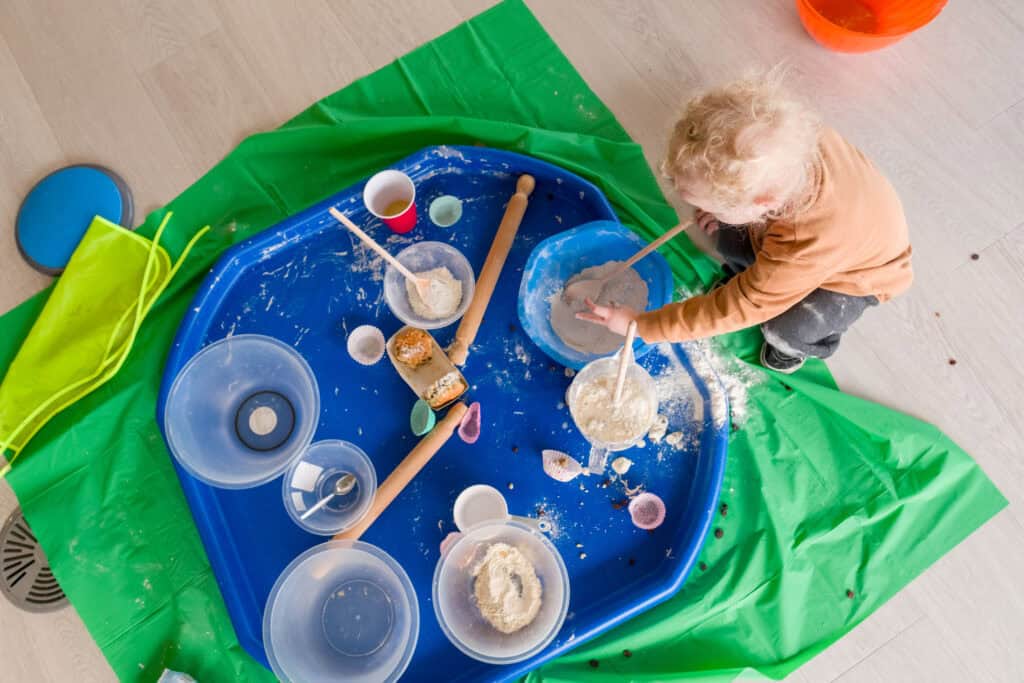
Sense is here for disabled children and their families
From our free play sessions for children under eight, to our Virtual Buddying befriending service, we’re with disabled people and their families every step of the way.
Get in touch with our team to find out how we could support you.
All play is useful for helping children to learn. For disabled children, enhancing the sensory aspects that are present in all play can make it more accessible.
Read this page to find out more about how to make play sensory, including lots of free sensory play ideas you can try at home.
On this page:
- What is sensory play?
- Why is sensory play important?
- Benefits of sensory play
- How to do sensory play at home
- Sensory play ideas
What is sensory play?
Sensory play is play that’s all about engaging your senses: that could be sight, sound, touch, movement, balance, smell or taste.
It might involve getting stuck into different textures, by playing with things like cold cooked pasta, water, ice or edible slime.
Or it might involve banging a drum, jumping into crunchy autumn leaves or shaking a rattle.
Sensory play can be a carefully planned activity, or it could be spontaneous. It’s suitable for all ages, and everyone can benefit from it.
It’s especially helpful for children with sensory impairments and/or complex disabilities. At Sense, we often use sensory play in our work supporting children who are deafblind.
Why is sensory play important?
Play isn’t just about having fun.
It’s crucial for helping children engage with their surroundings, develop self-awareness and connect with others.
Our senses enrich our lives. Touch, taste, smell, vision and hearing help us learn about the world around us.
Using our senses is vital for developing reasoning, intelligence, language and memory.
This is especially true for children with disabilities, who may struggle to access information or try new things.
Sensory play helps introduce them to new experiences in an accessible, fun way.

“Getting silly, messy and expressive is one of the first ways children start to learn about themselves and their relationship with everything around them.”
Laura, MSI teacher at Sense TouchBase Pears
Benefits of sensory play
Sensory play has benefits for everyone, but these might be even greater for disabled children.
Along with sensory skills, sensory play develops language, exploration, engagement and attention.
Sensory play can help children with:
- Learning cause and effect: Through sensory play, children can begin to understand the impact of their actions on the world around them. For example, they might learn that when they bang a drum, it makes a loud noise!
- Developing motor skills: Using their bodies for sensory play can help children to feel more confident moving around.
- Developing communication skills: Sensory play can also support children with learning language skills, and provides them with an opportunity to socialise and build relationships.
- Finding out likes and dislikes: By trying out different sensory experiences, a child can learn more about what they enjoy (and what they don’t). This is really important in developing a sense of self.
- Calming down: Sensory experiences can be soothing. Some children find it helpful to try sensory activities when they’re overwhelmed, angry or upset.
How to do sensory play at home
Sensory play is different for everyone. There are no hard and fast rules on how to do it.
It could be something you do whenever the opportunity arises, like playing in crunchy leaves or inspecting a shiny spider’s web in the garden.
Or it could be an activity you’ve planned in advance, like playing with homemade playdough.
These are some general dos and don’ts for sensory play at home.
- Do get creative. There is no right or wrong way to do sensory play, so use your imagination!
- Do be patient and let your child explore in their own time. Everyone plays at a different pace.
- Do supervise your child, and make sure there’s nothing they can choke on and no other hazards.
- Do give choices. This helps your child build confidence, and figure out what they like and dislike – which you can then learn, too!
- Don’t instruct your child on how to do things. Let them find their own way to explore and enjoy sensory play.
Keep reading for more examples of sensory play from Sense’s play experts, which you can try at home.
Sensory play ideas
Read through our sensory play activities for lots of ideas for things to try at home.

Sensory stories
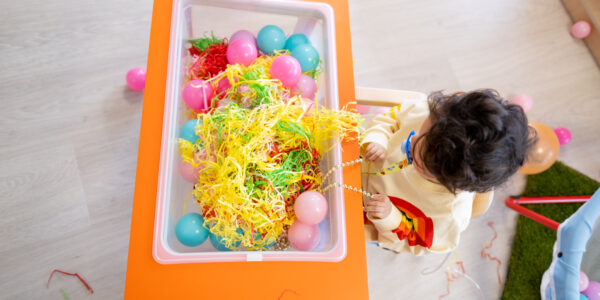
Sensory trays
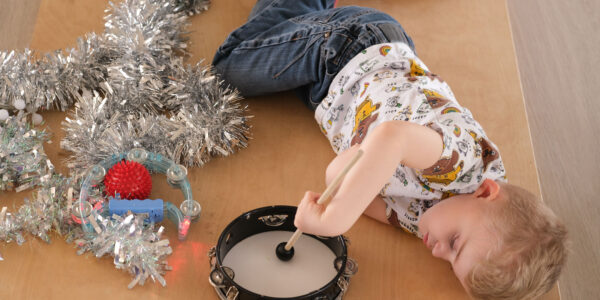
Resonance boards

Splat ball game
Sensory water play
Frozen sensory water play

Refreshing water play
Sensory play in nature

Sensory nature walks

Make art with nature paintbrushes

Make your own hanging nature mobile

Making a treasure basket
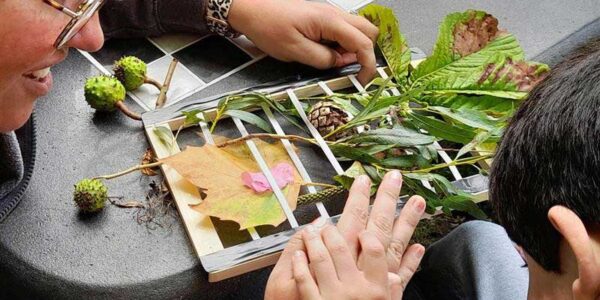
Scavenger hunt
Make your own sensory toys
Make your own scented natural playdough

Homemade edible slime

Homemade edible fingerpaint
How to make sensory moon sand

How to make textured balloons

Make your own felt
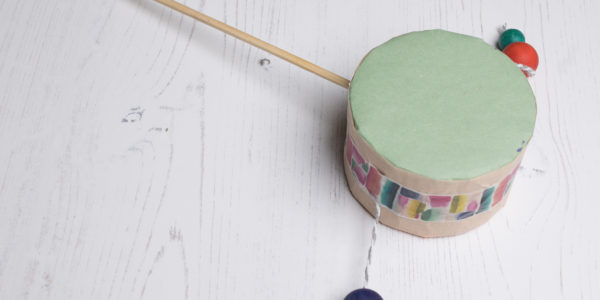
How to make a hand rattle drum
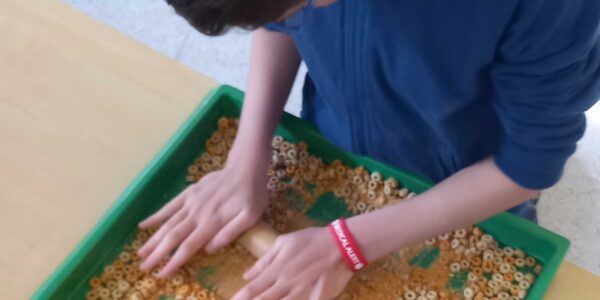
Edible sand

Make your own colour foam
Get support from Sense
If you have a child with complex disabilities and would like support from Sense, speak to our team to find out more about our services.
This content was last reviewed in December 2024. We’ll review it again in 2026.