
Technology, mobility aids and devices
Assistive technology can make day-to-day life easier for many disabled people.
Whether it’s hearing aids for those with hearing loss, guide canes for those with sight loss or motorised wheelchairs, you can find out more about it on these pages.
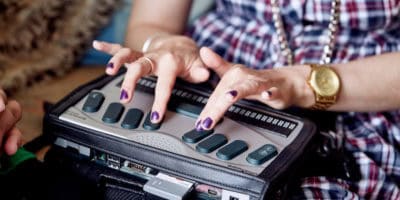
Assistive technology for people with sight loss
There is lots of technology available to support people with visual impairments. Find out more about accessible technology like braille displays, screen readers and wearable vision aids.
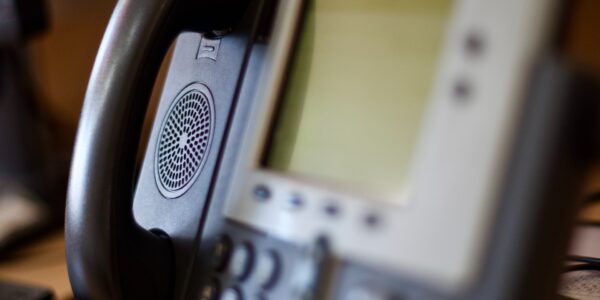
Assistive technology for people with hearing loss
In this section, find out more about hearing aids and hearing implants, and other ways to support your hearing, including hearing loops and FM systems.
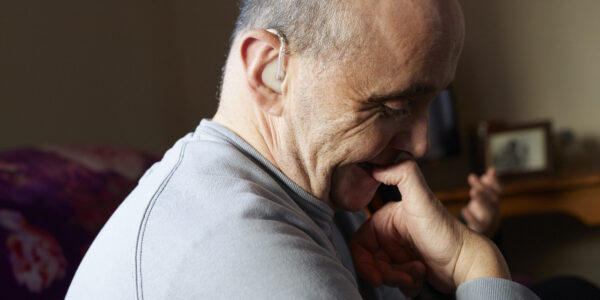
Hearing aids
If you have hearing loss, hearing aids may help you to hear better, communicate more confidently and live more independently.
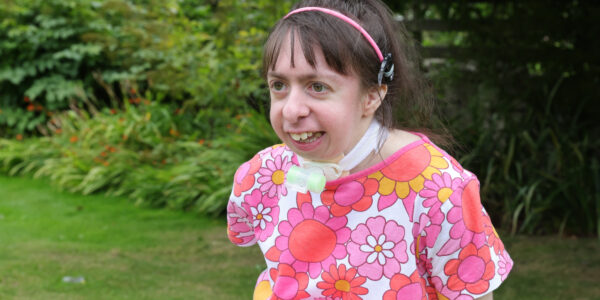
Hearing implants
If you have permanent or severe hearing loss, you might have the option of getting a surgically implanted hearing device. Find out more about cochlear implants, and other types of implant.

Wheelchairs
For many people, a wheelchair can bring freedom and independence. Find out about the types of wheelchair available, and how to get one (whether you get a wheelchair on the NHS, or hire, buy or borrow one).
Home adaptations
Home adaptations are changes that you can make to your home to make your day-to-day life easier.
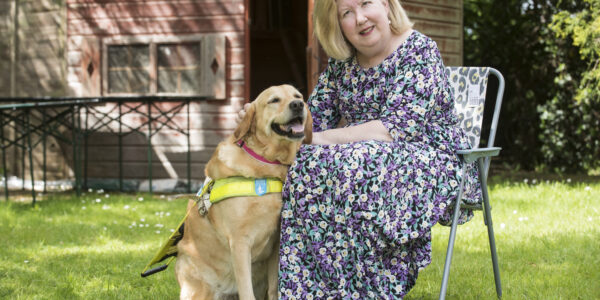
Guide dogs and assistance dogs
Some people use highly trained dogs to support them with day-to-day tasks.
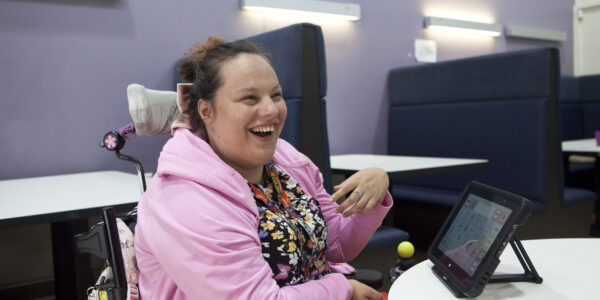
Communication aids
Communication aids are designed to support people who have difficulties with speaking or understanding what is being said to them.

Mobility canes
People with visual impairments use a variety of different types of cane to support them to move around.
Support from Sense
We deliver personalised, creative and flexible support at every stage of life for disabled people with complex needs. Get in touch to find out more about the services we offer.