Sensory story: Going on an adventure
Introduction
Sensory stories are a great way to provide sensory stimulation and develop communication in a fun way.
This is one of the stories we have written that you might like to use, or you can use as inspiration to write your own!
Telling the story the same way many times helps learning. Hearing it again helps the brain grow and improves understanding. It also helps with guessing what comes next and showing likes and dislikes.
How to prepare for a sensory story
- Choose a quiet and comfortable place for your sensory story. Consider lighting noise and the physical environment.
- Choose a time when the person you are supporting can relax and engage with the story.
- Think about your persons experiences in relation to the story. What objects and movements will be most meaningful? We have made some suggestions, but you can change these to make them more motivating, accessible and fun!
- Where movements are included, you can use support and hand under hand guidance where needed to ensure the person you are supporting is co-actively engaging in these elements.
- Where there are visual or auditory resources, think of appropriate ways of making these accessible if the person taking part has a vision or hearing impairment.
- Make sure you have all your equipment ready to go.
Resources needed for this story
| Resource | Alternatives |
| Boots | Thick socks |
| Water spray | Flick water from a bowl |
| Bowl of water | |
| Fan | Create a fan with a folded piece of paper |
| Hat and coat | |
| Leaves, twigs and moss (for touching and smelling) | |
| Twig with some leaves on (for waving) | Fabric |
| Ball | Scrunched up socks or paper |
| Hoop | Scarf tied so it creates a circle |
Accessibility top tip
Think about your child’s experiences and what resources would bring them most meaning. Any of these resources can be substituted so that they are accessible and relate to your child’s experience. For instance, fire sounds could be replaced with something that glows or that is warm.
-

“We’re going on an adventure! We need to put on our coat, hat and boots.”

-
Use: Coat, hat, boots
-
Action: Put your coat on and hat.
-
Action: Pull on your boots (or explore the boots, what colour are they, what do they feel like?).


-
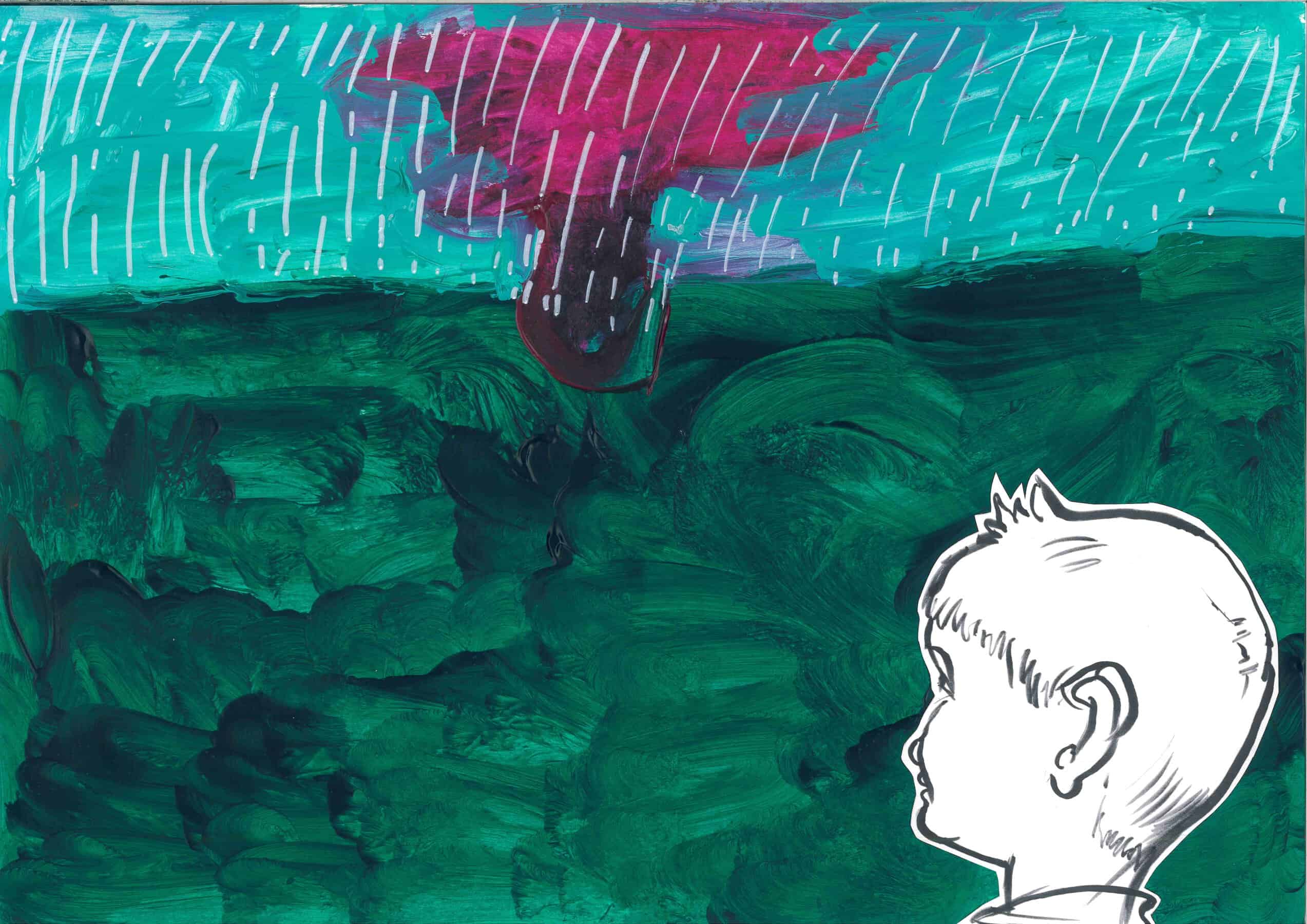
Outside it is raining and the wind is blowing.

-
Use: Water spray, fan
-
Action: Mist some water across your face or on your arms, (make sure you have prepared for this and you have anticipated this happening first).
-
Action: Use a fan to feel the breeze across your body (this could be your hands, arms face, wherever feels most comfortable for you).
-
There are lots of puddles on the way.

-
Use: Bowl of water
-
Action: Splash in a bowl of water, you could use different parts of your body. (remember you can use hand under hand to explore the water).
-
The wind makes a swishing sound as the leaves fall to the ground.

-
Use: Leaves, twigs, moss or leaves on a stick
-
Action: Explore some leaves, twigs or moss (think about texture, size, sound and smell. You can use hand under hand exploration too).
-
Action: With some leaves on a stick, swish, sway and dance around or watch the leaves falling to your lap.
-
Action: Spin around or move any part of your body side to side or forward and back.
-
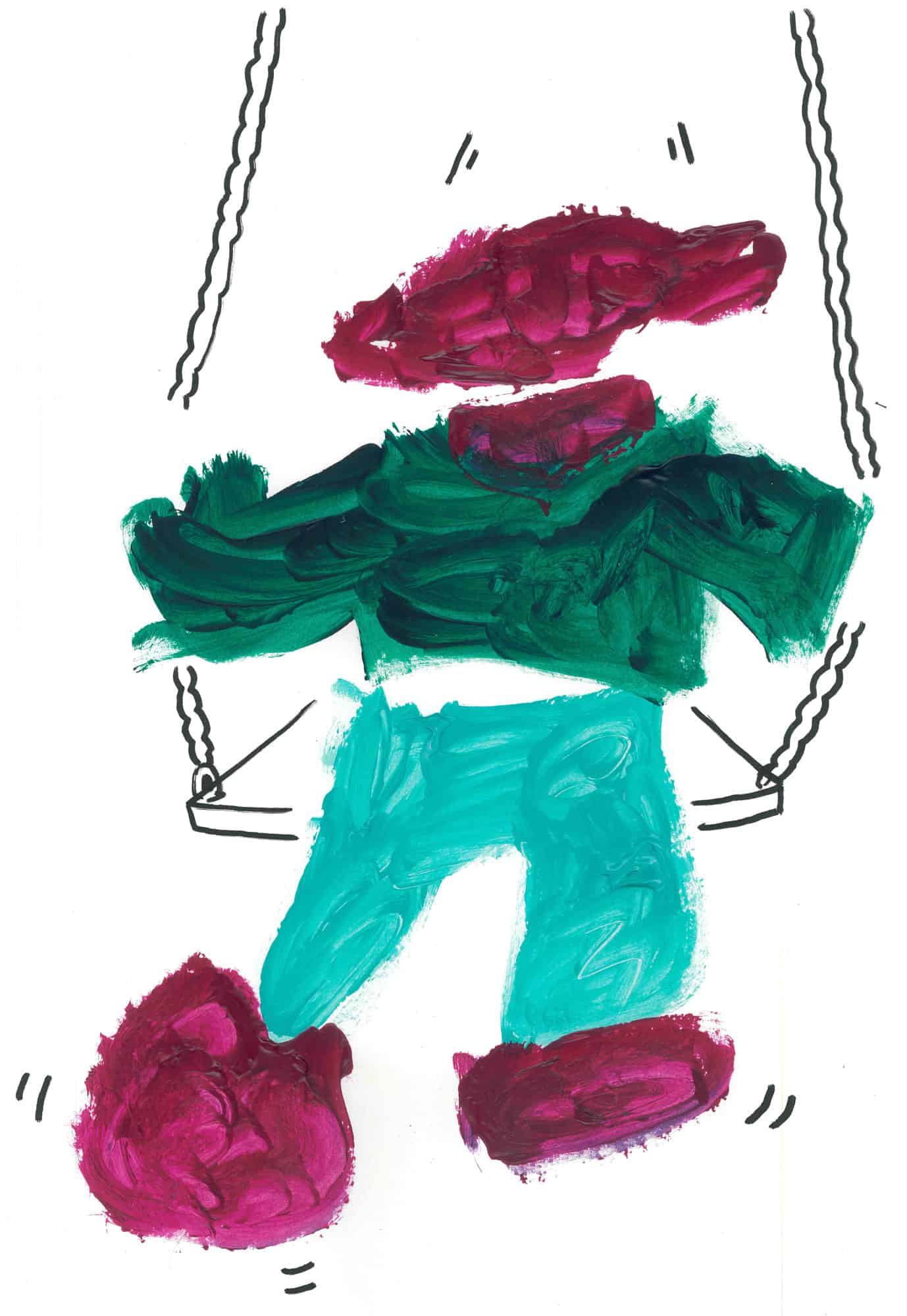
Oh, there’s the park, what shall we go on first? The swings?

-
Use: Fabric
-
Action: Using a piece of fabric, rest your arm on it and ask your partner to swing it backward and forwards.
-
Action: Move forward and backwards in any way you can. Explore different ways of moving.
-
Or the roundabout?

-
Use: Hoop
-
Action: Place the hoop around your body and spin it around and around.
-
Action: Explore the shape and size of the hoop.
-
Action: Spin around or move any part of your body side to side or forward and back.
-
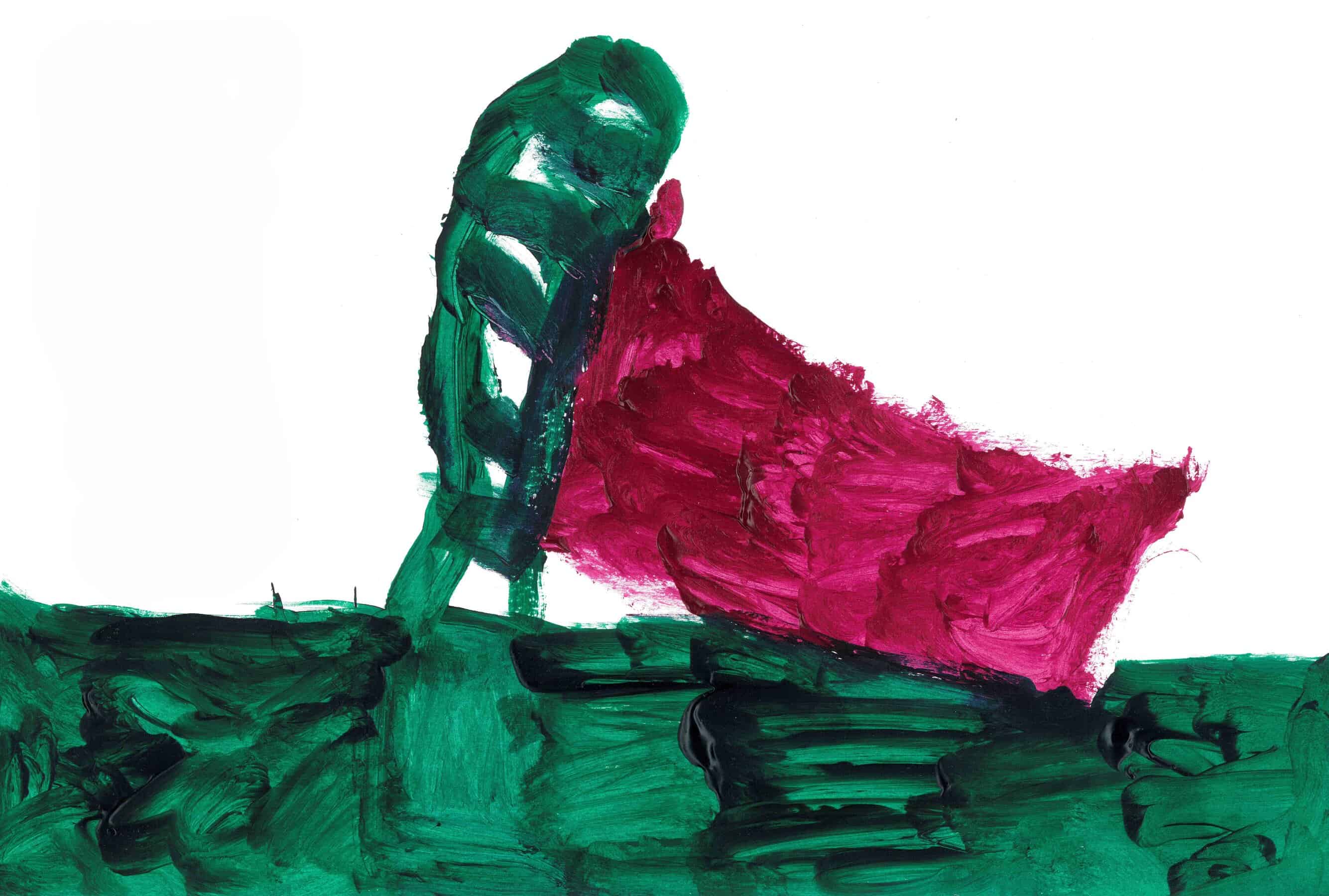
Or the slide?

-
Use: Ball, tray
-
Action: Roll a ball across your tray or on the floor (you could use a ball with a bell to support tracking of the ball).
-
Action: Make a movement with your arm or use on-body signing on your arms or legs to feel the ‘whoosh’ of the slide.
-
What a great adventure! Which part was your favourite?

-
Action: Repeat the key actions.
-
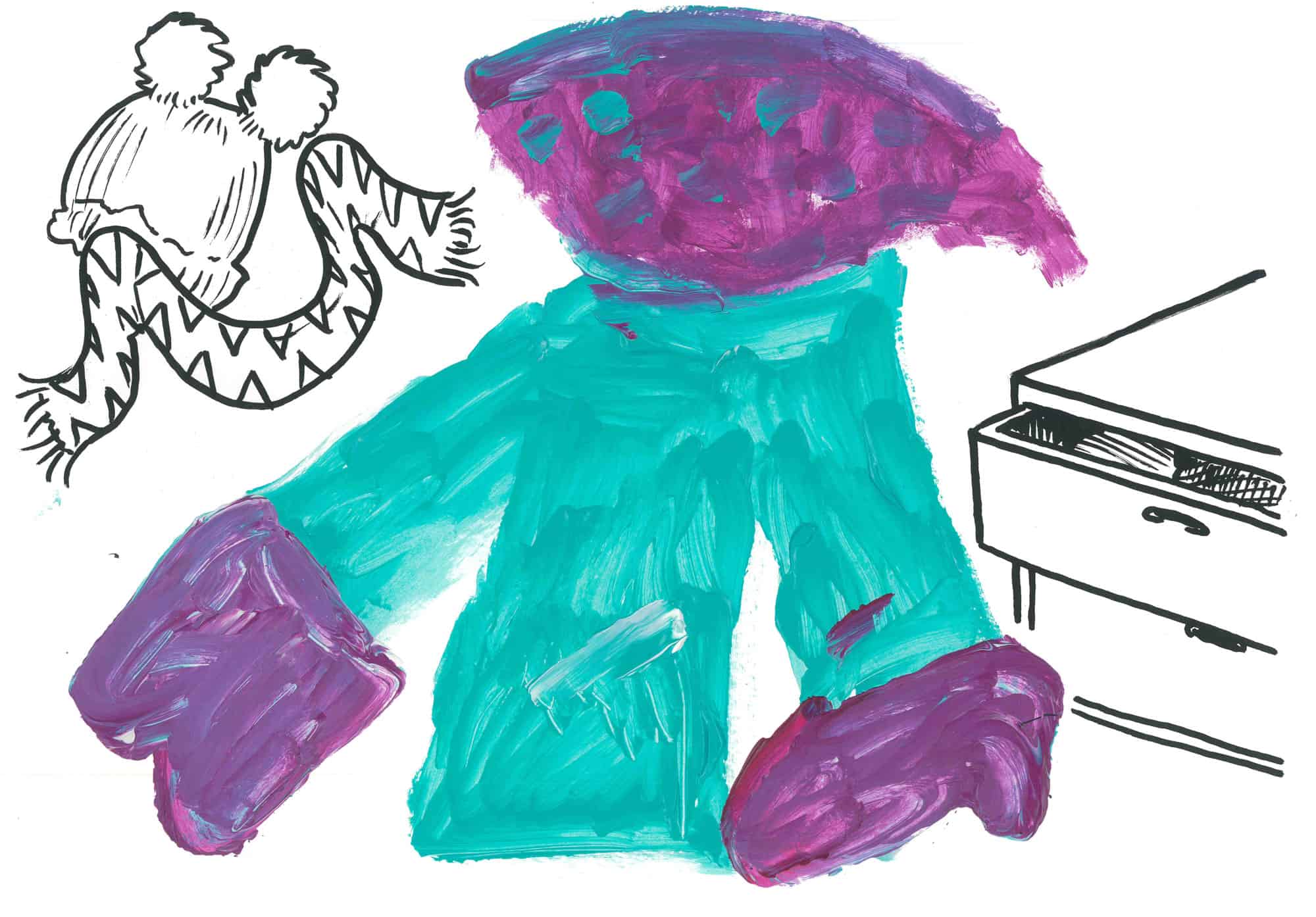
It’s time to put our warm clothes away for another time!

-
Use: Coat, hat, boots
-
Action: Take off coat, hat and boots (or put them in a bag or box if you have already taken them off).
The end.
Ready for your next adventure? Find more sensory stories here.
This resource was created by the Sense Active team and Sense Children and Young People Services.
We’d love to hear from you
We’d love to hear what you think of these stories. Have you adapted them in any way to meet the needs of your participants, or have you come up with any new stories?
Maybe some of the participants you work with have seen improvements in their health, skills or confidence levels too?
Please let us know by emailing [email protected], and we’ll be in touch to find out more.