
“When your child has MSI, it’s like a postcode lottery”

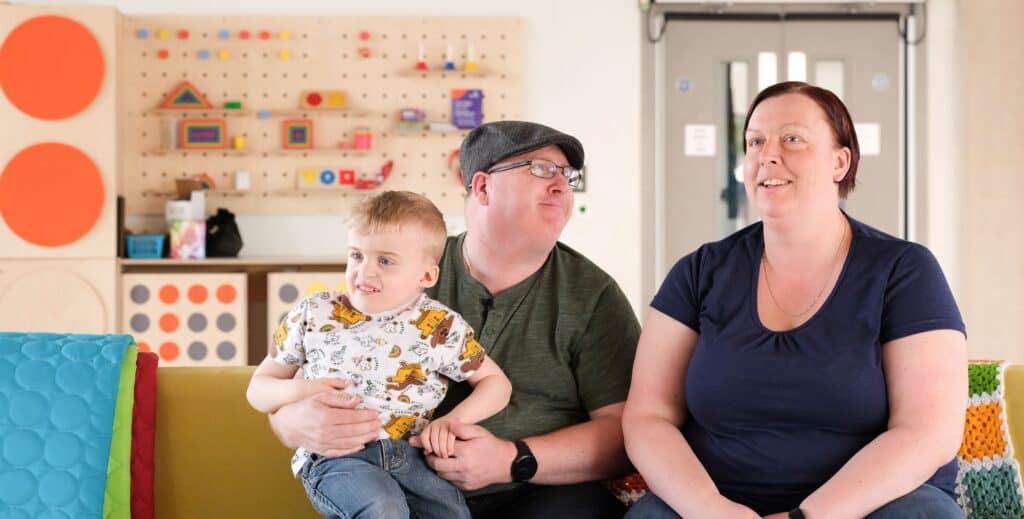
Mum, Caroline Jones, 43, from North West England, fears her son, 10-year-old Thomas, is “not really learning anything meaningful” at his SEN school because she believes it lacks the specialist teaching staff he requires.
In the spring of 2025, we reached out to all 153 local authorities in England to find out how many multi-sensory impairment (MSI) teachers they employ.
The number of local authorities that do not employ any MSI teachers has increased by 2% since 2021, when it was 52%. At the same time, there are now 4,630 children with MSI in England, an increase of 21% on 2021. The number of MSI teachers has clearly not risen to meet this demand.
Caroline believes that Thomas’s communication would progress faster if he were given full-time one-to-one support at school from a suitably qualified BSL user with deafblind awareness training, but their requests have been refused.
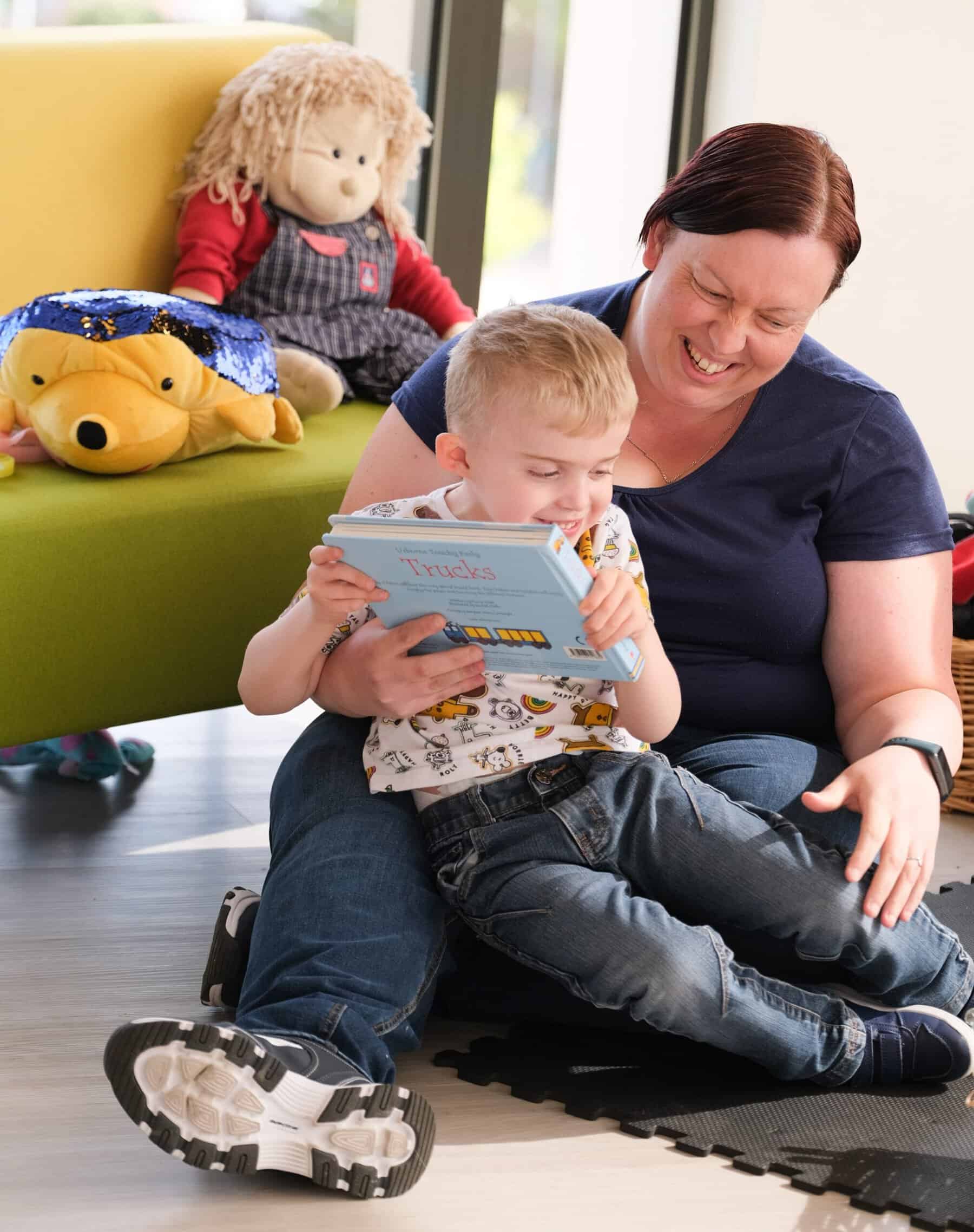
After learning BSL themselves, Caroline and Anthony have been trying to teach more of it to Thomas at home.
He’s now signing to tell them he’s off to school, that he’s hungry or wants a cuddle – and that he loves dogs.
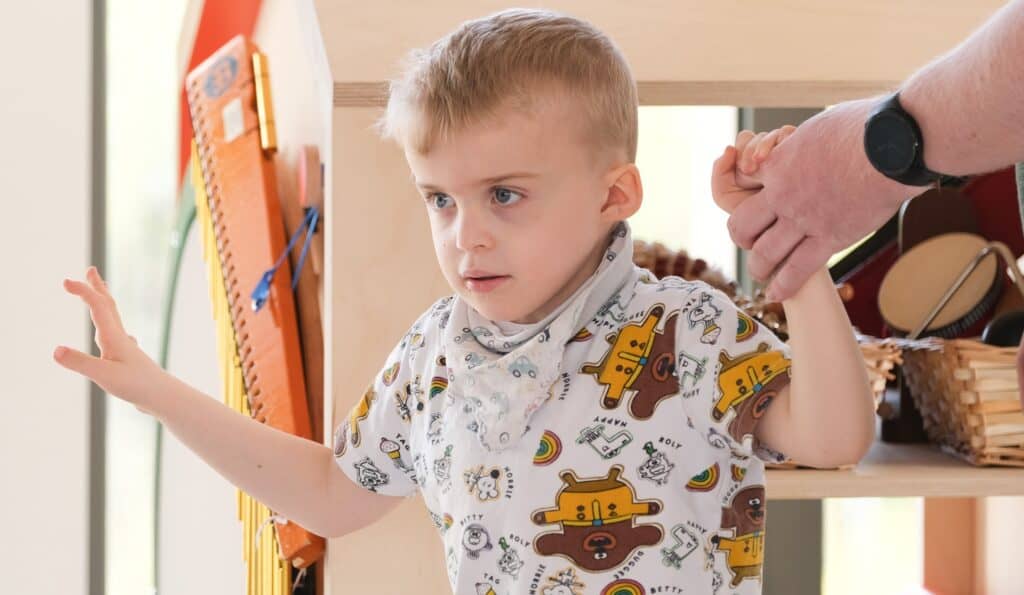
Thomas has CHARGE syndrome and is deafblind. He has a designated MSI teacher, but she covers many schools and has a responsibility to monitor him at least once a term.
Caroline spoke to us …
Thomas is happy at primary school and has fun playing in the sand. But I worry he’s not really learning anything meaningful.
The children in his class are all hearing. They acknowledge him and wave and smile, but they can’t sign to him using BSL.
For most of his time at school, there are no signers with him who could teach him using BSL. He’s in a special school and the teachers there are all amazing – but I fear that they can’t meet his needs.
The problem is that the existing system is completely flawed.
When Thomas is assessed, he qualifies for the maximum level of sensory service and MSI support within his local authority, and that sounds like, ‘Wow! Phenomenal!’ But in reality, the maximum level of support is almost nothing.
Many people assume all special schools can meet every disabled child’s needs, but really, when your child has MSI, it’s like a postcode lottery.
There’s no requirement at all for a special school teacher to do MSI training, learn BSL or do vision impairment (VI) training.
Lots of teachers at Thomas’s school have told me over the years that they would love to learn BSL, for example, but I think it’s all about money. Even if the training was provided free, there wouldn’t be any time or money to release that member of staff to do it.
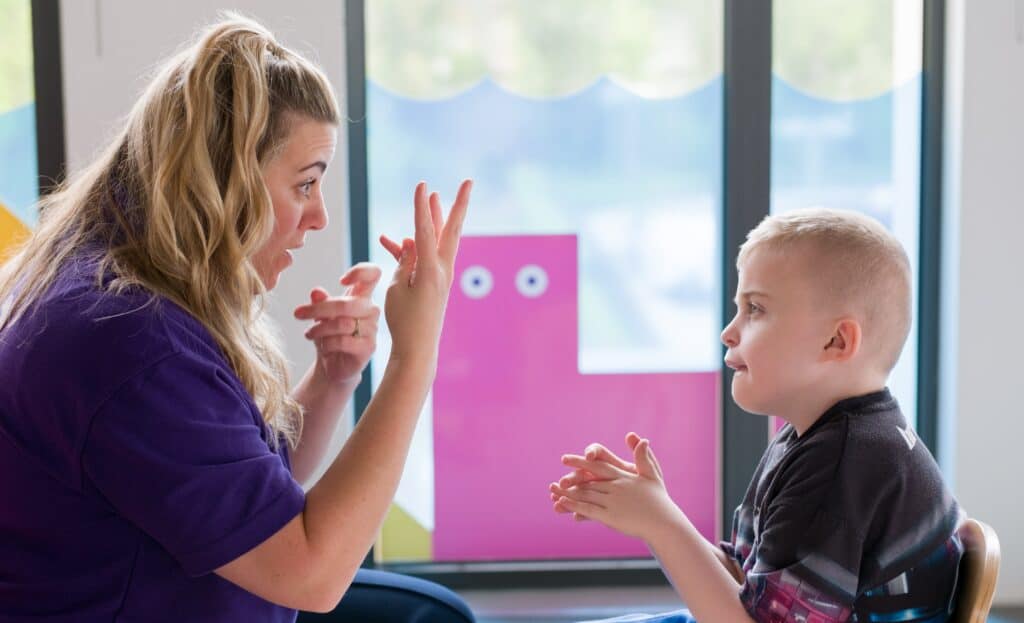
At home, Thomas’s dad and I have paid to learn BSL. We sign with Thomas and, even though he’s not completely proficient, we try to teach him more. Once he started learning, he began telling us about his day for the first time, signing that he’s going to school or communicating his needs – like he feels hungry or wants a cuddle.
I also discovered that Thomas loves dogs. When we meet one in the park or in the street, he’ll make the sign for dog, and I know he wants to say hello. Making it possible for him to communicate like this is so important.
I’ve tried and failed to get Thomas more one-to-one support at school so he can progress, to the point I felt it was hopeless.
Laura from the Children’s MSI team at Sense, who has known Thomas for years, has now helped us contact another special school that would have everything for Thomas. They specialise in MSI. He would have a peer group – but trying to get him in there will be very, very difficult.
And if Thomas doesn’t get a place, it will have to be homeschooling when he gets to high school. Even though he’s happy enough now, if his individual needs aren’t met as he gets older, he will become even more isolated at school.