Sensory story: Party time!
Introduction
Sensory stories are a great way to provide sensory stimulation and develop communication in a fun way.
This is one of the stories we have written that you might like to use, or you can use as inspiration to write your own!
Telling the story the same way many times helps learning. Hearing it again helps the brain grow and improves understanding. It also helps with guessing what comes next and showing likes and dislikes.
How to prepare for a sensory story
- Choose a quiet and comfortable place for your sensory story. Consider lighting noise and the physical environment.
- Choose a time when the person you are supporting can relax and engage with the story.
- Think about your persons experiences in relation to the story. What objects and movements will be most meaningful? We have made some suggestions, but you can change these to make them more motivating, accessible and fun!
- Where movements are included, you can use support and hand under hand guidance where needed to ensure the person you are supporting is co-actively engaging in these elements.
- Where there are visual or auditory resources, think of appropriate ways of making these accessible if the person taking part has a vision or hearing impairment.
- Make sure you have all your equipment ready to go.
Resources needed for this story
| Resource | Alternatives |
| Blanket | Bed sheet. |
| Bells | Use metal spoons to create sound. |
| Sparkly fabric | A piece of fabric or something sparkly. |
| Bubbles | Use washing up liquid or bubble bath to create some bubbles in a bowl. |
| Balloon | |
| Upbeat music | Shakers, dance ribbons or pom poms. You might use a vibrating speaker so that the rhythm of the music can be felt. |
| Party hat | You could make your own party hat out of paper or card. |
| Jelly | Other party food that you might like. |
| Party popper | Streamers or more bubbles. |
Accessibility top tip
Think about your child’s experiences and what resources would bring them most meaning. Any of these resources can be substituted so that they are accessible and relate to your child’s experience. For instance, fire sounds could be replaced with something that glows or that is warm.
-

“Billy!” Mum called, as she rang some bells to wake him up.

-
Use: Bells
-
Action: Ring and listen to the bells.
-
Action: Stretch your body, this could be your arms, legs, fingers or you could even sit up from a lying position!


-
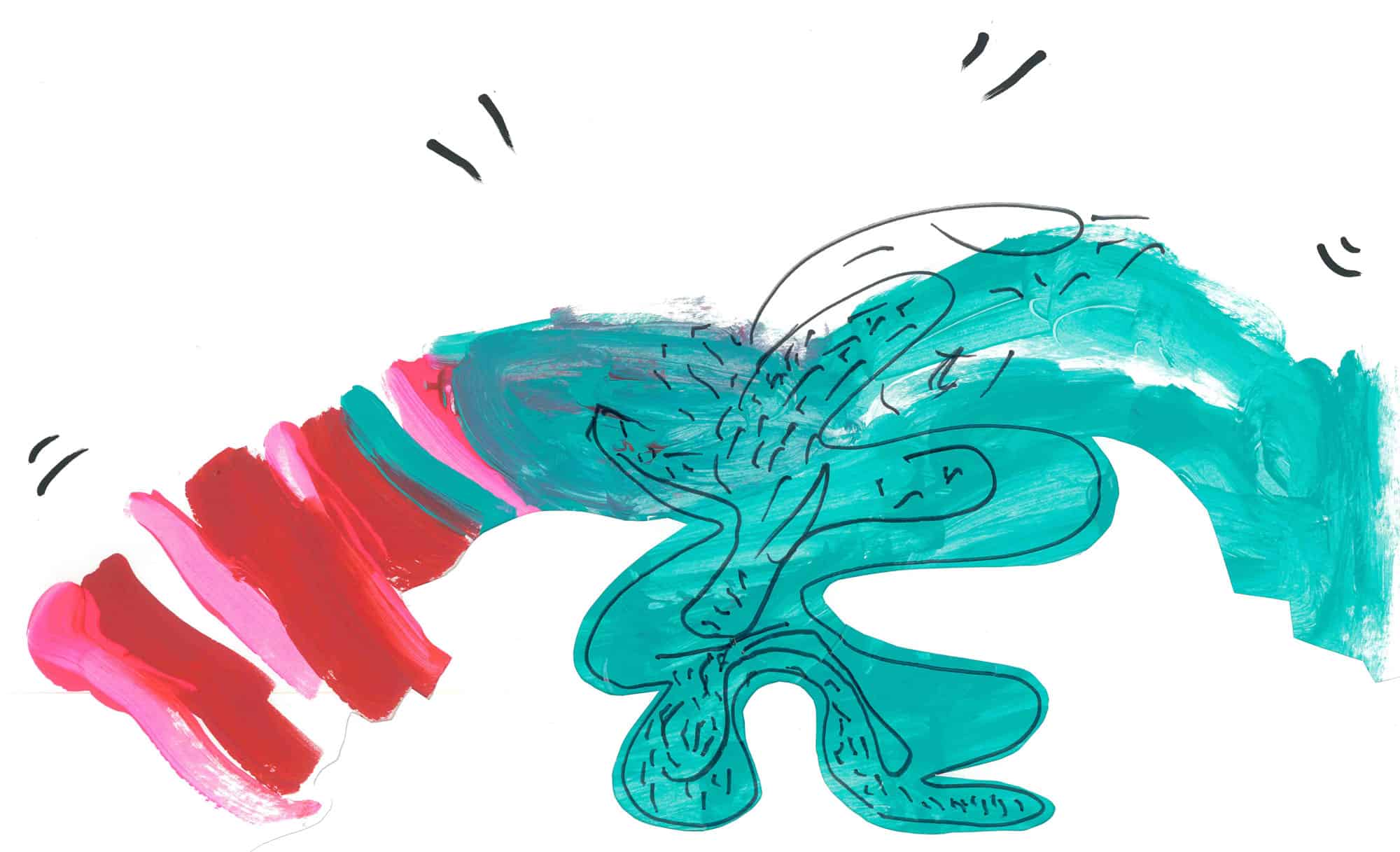
Billy remembered it was party day at nursery! He threw the bed covers into the air; he was so excited!

-
Blanket
-
Action: Cover yourself in a blanket then lift it as high into the air as you can (or hide under/behind a blanket and then move the blanket to look).
3
Mum had laid out his clothes, and there on the top was his favourite sparkly top.
-
Mum had laid out his clothes, and there on the top was his favourite sparkly top.

-
Billy was so excited. He couldn’t wait to get into the car and go to nursery.

-
Action: Pretend you are in the car, move from side to side and up and down. (Consider what a ‘car’ might look like to child – could it be the slam of the door, vibration from the engine, going over a speed bump?).
-
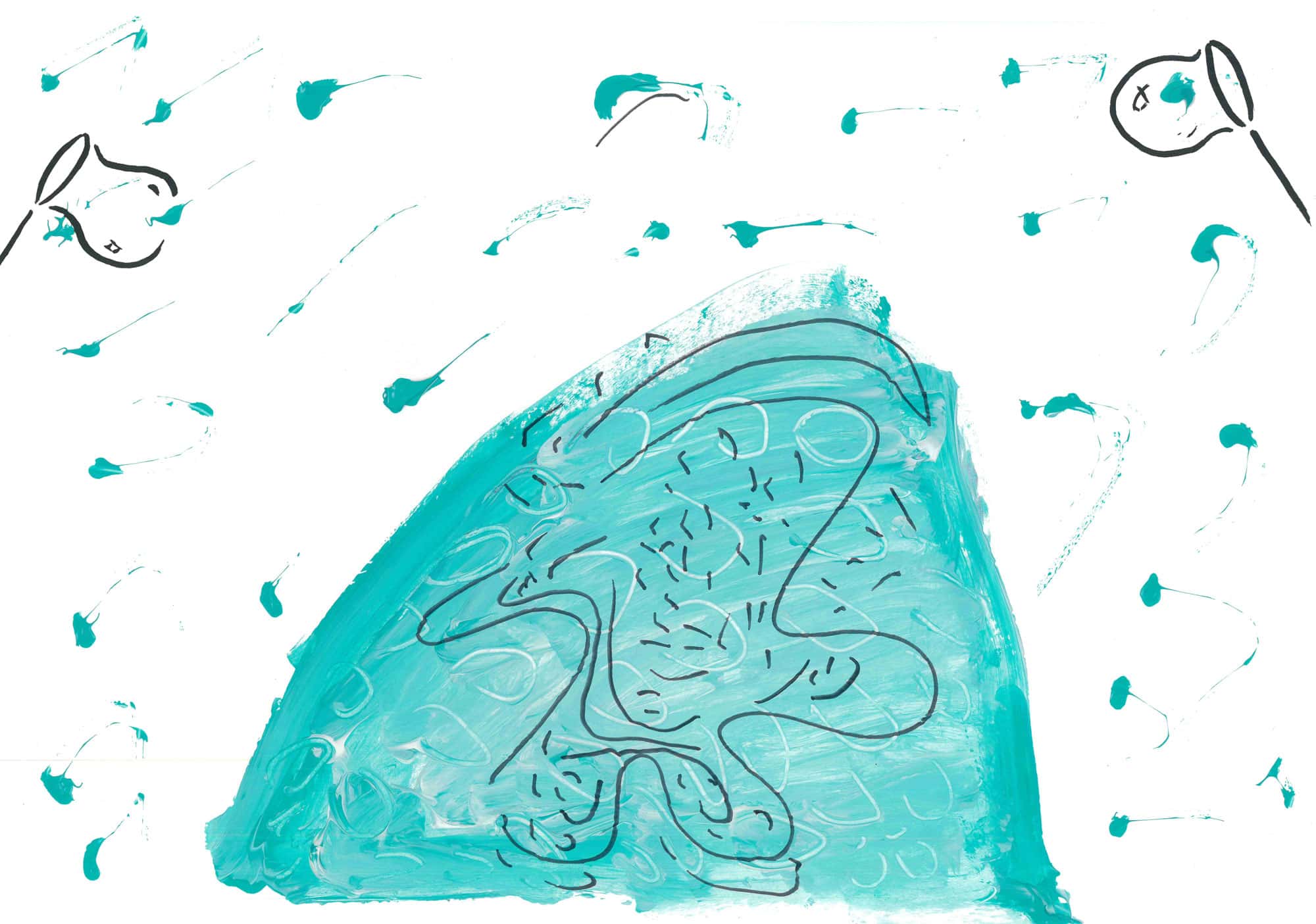
When they got to nursery, there were bubbles being blown and they covered Billy!

-
Use: Bubbles
-
Action: Blow bubbles into the air, track them in the air and watch them fall.
-
Action: Try to pop the bubbles with different parts of your body.
-
Billy went into the room and could see lots of colourful balloons.

-
Balloons
-
Feel the texture of the balloons.
-
Try to tap the balloon into the air and watch it fall back down. (You could use different parts of your body for this).
-
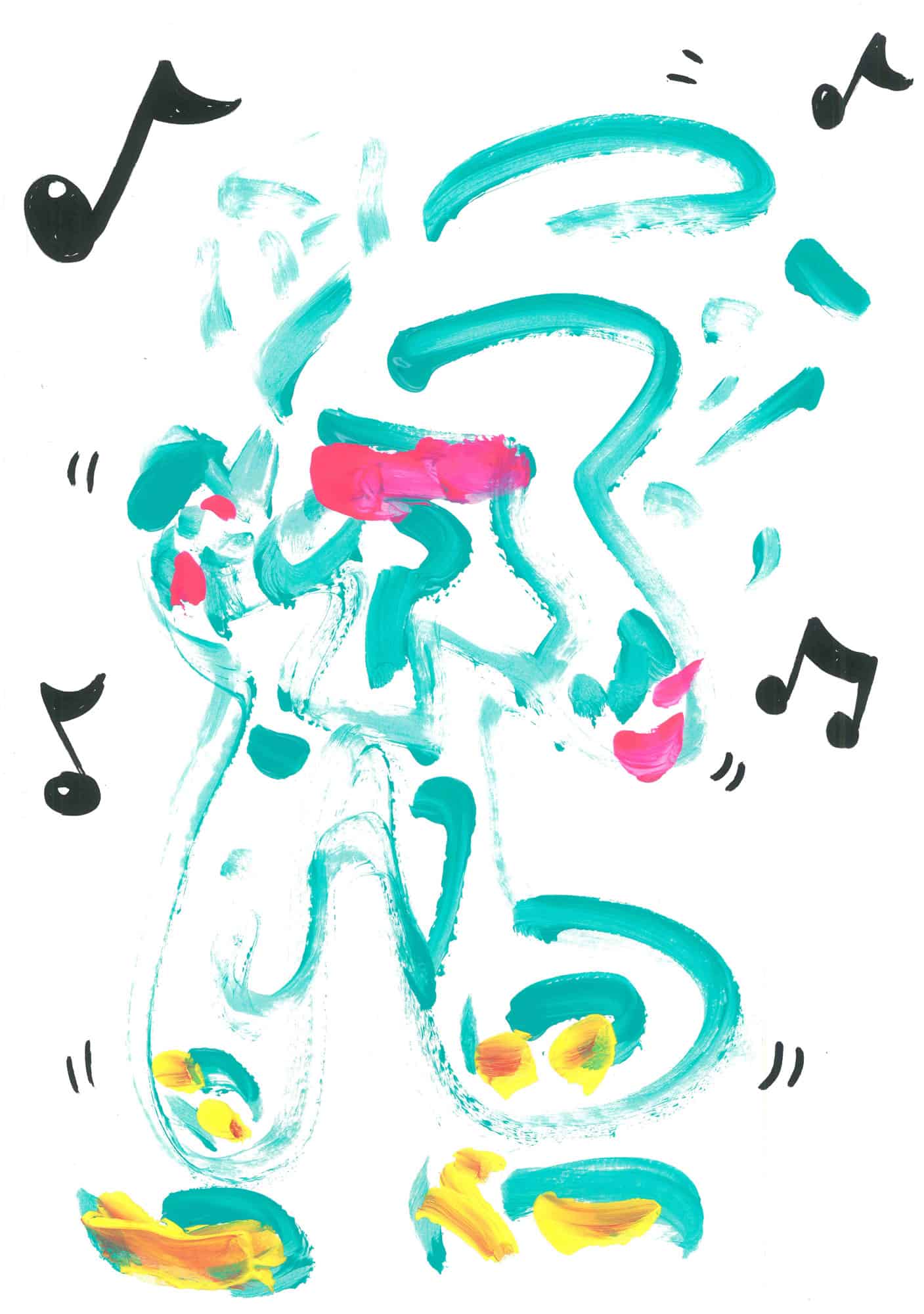
The music was playing. Billy decided to have a dance.

-
Upbeat music
-
Move your body and dance to the music (or move a ribbon or pompom to visualise the musical rhythm).
-
You could use a resonance board and vibrating speaker to feel the rhythm, encourage movement and develop body awareness.
-
It was time for the party food. “Put on your party hats!” said the nursery teacher.

-
Use: Hat, jelly
-
Action: Put on your party hat.
-
Action: Taste, feel and smell the jelly.
-
“It’s time to celebrate! Get your party poppers ready to pull on three. Ready? One, two, three!”

-
Use: Party popper
-
Action: Pull the party popper when you get to ‘three’.
-
Action: Explore the streamers that come out of the party popper.
-
Now it was time for some party games. Billy’s favourite is musical statues!

-
Use: Upbeat music
-
Action: Play the music for a short time, move and dance to the music. When the music stops, freeze where you are.
-
Sadly, it was time to go home. “Phew, I’m tired,” said Billy.

The end.
Ready for your next adventure? Find more sensory stories here.
This resource was created by the Sense Active team and Sense Children and Young People Services.
We’d love to hear from you
We’d love to hear what you think of these stories. Have you adapted them in any way to meet the needs of your participants, or have you come up with any new stories?
Maybe some of the participants you work with have seen improvements in their health, skills or confidence levels too?
Please let us know by emailing [email protected], and we’ll be in touch to find out more.