
Support for disabled adults
At Sense, we offer everything from residential care to day services for disabled adults. We’ll never tell you what to do. With our support, you can do things your way.

“Finding Sense was a huge turning point for me.”
Saihan
Day-to-day support

Day services
At our centres all over the UK, we offer a huge range of daytime activities for disabled people with complex needs.

Community support
One-to-one support to help you communicate and live your daily life.
Residential support
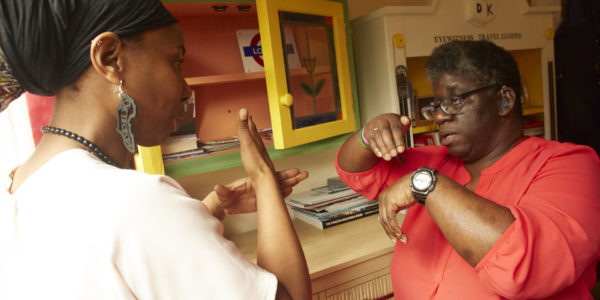
Supported living
With Supported Living, you’ll have your own home to be proud of, and also get the care that you need.

Residential care
Sense Residential Care offers round-the-clock support for disabled people with complex needs.
Meet new people

Take a short break
Short breaks are get-aways and days out for disabled adults and children.

Arts and sports activities
Keep fit, get creative and look after your wellbeing with our range of activities.
Education and work

Sense College
An independent specialist college for disabled people aged 16-25 with complex needs, including deafblindness.
Real stories from people we support

How Sense spoke my brother Fernando’s language
Carole explains how going to a Sense Centre changed everything for her brother, Fernando.

My communicator guide isn't just someone who supports me, she's a friend
“She delivers my shopping, medicine and post and we can chat over the phone.”
Support from Sense
We’re the national disability charity supporting everyone with complex needs. We’re here for people of all ages and their families. If you need more information and advice about the services we provide, you can find out more here.
Want to know more about Sense? Our emails land in your inbox every week.