
‘I was a basketball world champion as a teenager, but not allowed to do GCSE PE’

Paralympian and Sense Ambassador, Siobhan Fitzpatrick, was winning medals and competing for her country by age 14, but couldn’t fully take part in GCSE PE at school because of a lack of support.
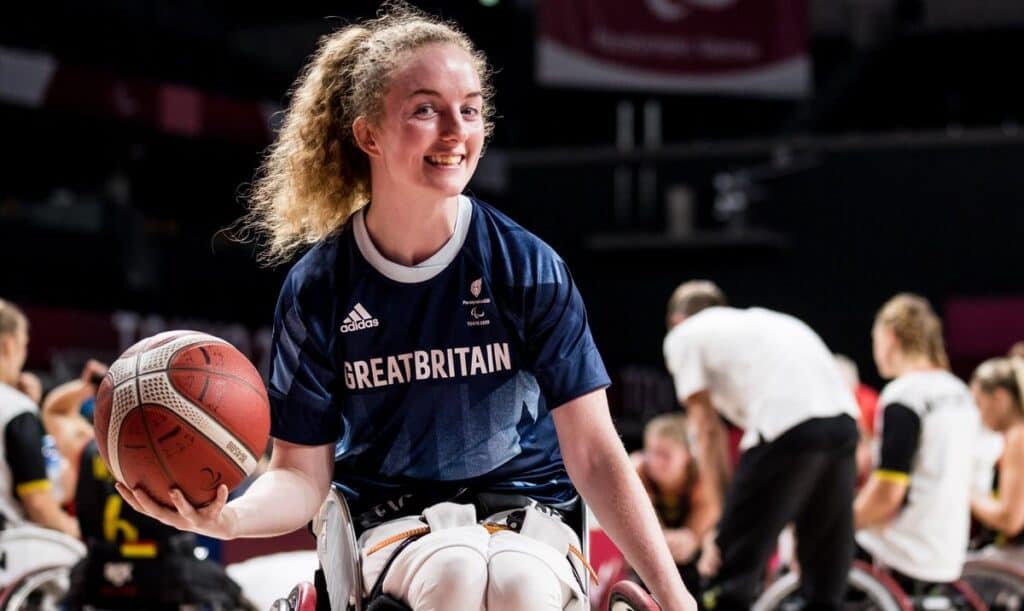
Feeling isolated and singled out in her mainstream school, Siobhan, now age 28, says her negative experiences have spurred her on to become a Sense ambassador and a campaigner for reforms to the SEND system.
With SEND reform in the spotlight, as the government consults on major changes to the system, Siobhan is full of hope, but she remembers her time at school as being isolating and difficult …
Set apart, instead of supported
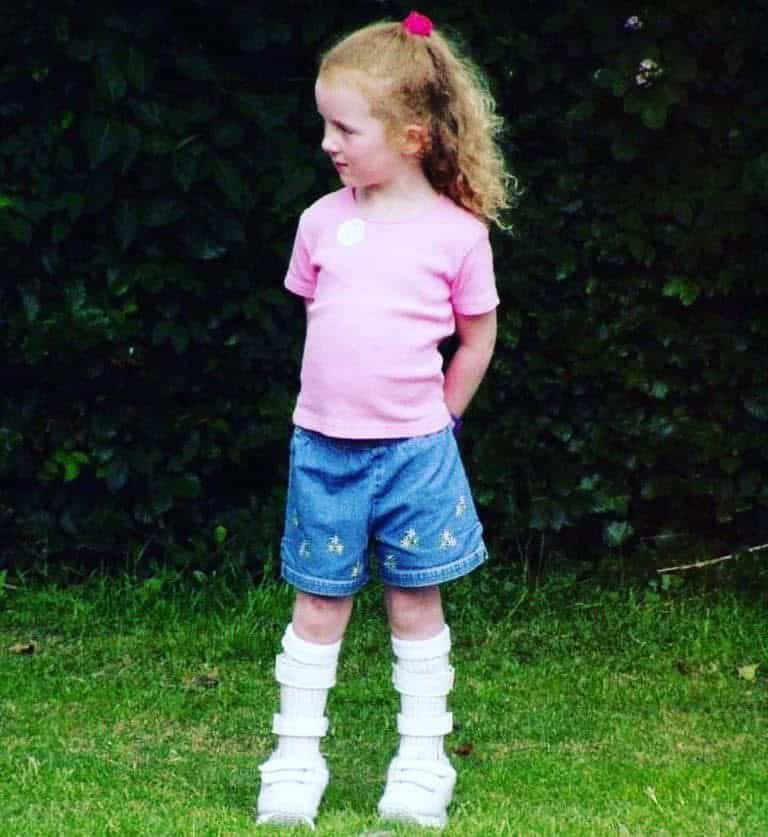
I was born with cerebral palsy, a life-long physical condition that affects my movement, posture and coordination.
This meant I was unable to walk without splints or a walker as a child, and I accessed the SEND system during my school years.
I went to a mainstream secondary school, not a specialist school, and I didn’t have many opportunities for growth and support while I was there.
I don’t blame the school – I know schools are underfunded and under a lot of pressure. But I felt constantly singled out and spotlighted for being different, and I don’t know how I would have coped if I didn’t have such a supportive group of friends around me and parents who were constantly advocating for me and fighting my corner.
I was one of three people at school with a physical disability. It was a big school, spread across multiple floors and buildings, built in the 1960s. As you can imagine, there were no ramps or lifts, and because of my disability, I was unable to access certain blocks and higher floors.
I would regularly sit in the corner, doing my top-set work in a totally different class with a different teacher.
You know what it’s like when you’re a teenage girl: you’re struggling, feeling self-conscious. Being plonked to the side and made to do my own work separately in a class of 30 other pupils, all doing something different, really affected my relationship with other people my age and made me feel totally alone.
Good grades hid my access needs
There are a lot of misconceptions about disabled people, and one I often hear is that disabled people aren’t smart or academic.
I think because I was doing well academically, it was just assumed I was fine and didn’t really need any help. I was just expected to get on with things. I felt boxed in and like I was only allowed to go to certain places.
There were fields all around my school that other pupils could play or do sport on that I wasn’t able to go on, and two entire buildings I couldn’t get to, even when some of the classes I was meant to be in were timetabled there.
The problem with PE in schools, for disabled athletes
I was introduced to wheelchair basketball at age 11 through an external organisation, and I quickly climbed the ranks. I was a world-champion athlete by the time I was picking my GCSEs!
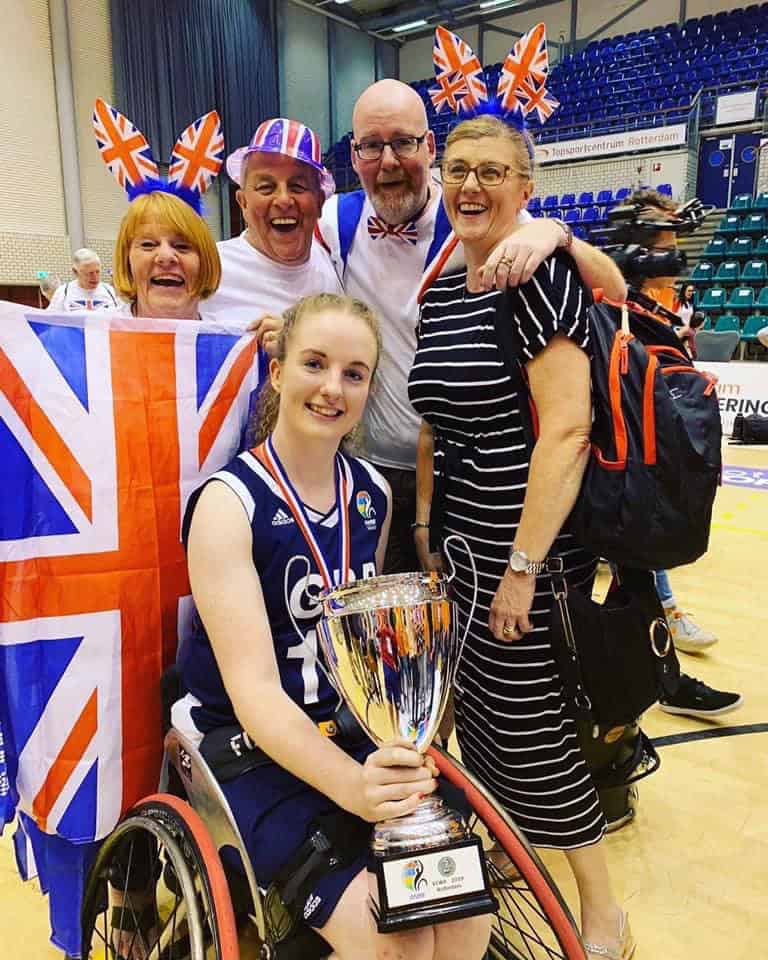
But, despite my sporting success, I was not allowed to pick PE as one of my GCSE options.
At my school, you had to prove you could do two ‘main’ sports to do PE at GCSE level.
Some people would pick football as their main sport, and do cross-country running as their second, but I wasn’t allowed to take part because I was told that I only had one activity (basketball).
I could’ve done the bleep test in my chair if they’d let me, but they didn’t.
It was painful. I was competing for my country but was not allowed to do sports at school.
Better school support could’ve changed how I saw myself
It’s only been in the past 12 months that I really feel like I’ve finally accepted that I am disabled, and that being different to other people is okay.
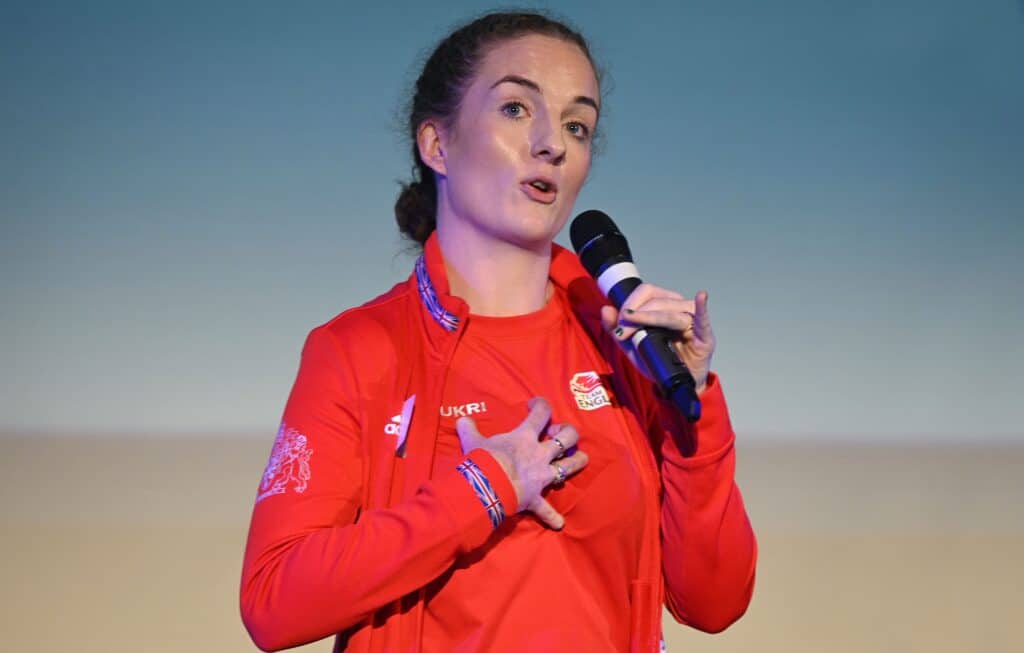
But even now, there are still so many stigmas and misconceptions that have followed me into adulthood. I use different mobility aids, and when I go out in my wheelchair, the way people treat me is markedly different to how people treat me when I’m walking.
When I go out with my husband, and I’m walking, I feel like people treat us as equals; when I’m in my chair, people completely ignore me.
I’ve even seen it in schools, where teachers keep disabled people ‘out of the way’ because they’re worried other, non-disabled children will bully them. But this is just reinforcing stereotypes and stigmas, and makes people feel like there’s something wrong with them and they should be hidden away.
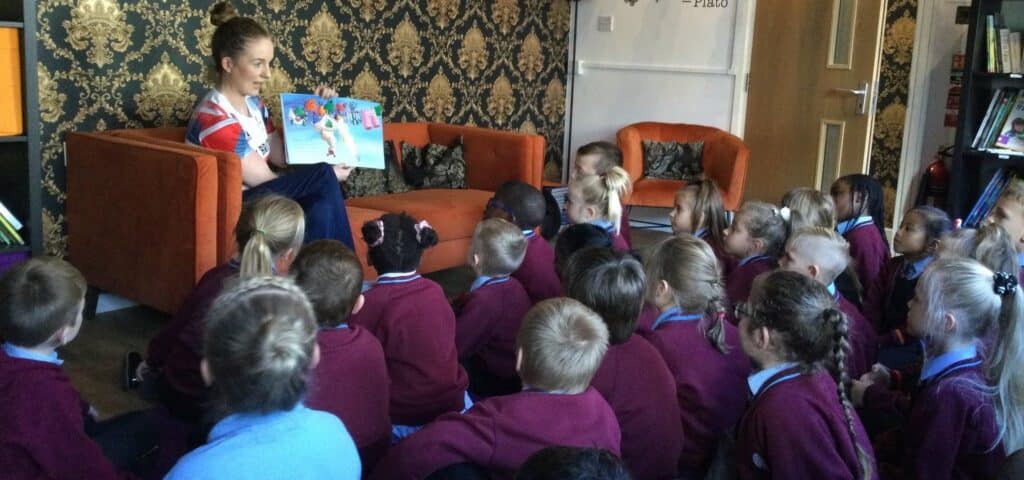
Since becoming an adult, I have gone back to my school to share my experiences and give staff advice and tips on how to support disabled people to thrive in sport and in daily life.
I know how it feels to be isolated – I don’t want other disabled children feeling the same way I did.
SEND reforms give me hope for change
As the government looks to reform the SEND system – which for decades has been underfunded and under-resourced – I want to see a more person-centred approach.
I want to make sure no disabled child goes through what I went through.
My entire secondary school experience was characterised by feeling isolated and excluded, so I’m really passionate about this and want the government to get this right.
It’s vital that schools speak to individuals about what their needs are. Sometimes it’s presumed you can or can’t do something because of your condition or disability, and people are put in boxes and pigeon-holed.
I think even just simple adaptations like letting me leave a class a few minutes early to give me more time to get to my next class would have made a world of difference to me, and made me feel more included – but those just weren’t options given to me at that time.
A critical moment for SEND: Our campaign for change
At Sense, we support over 5,000 disabled children with complex needs. Every day, we hear stories like Siobhans’ and see how barriers in the education system shut children out of learning and opportunity.
The Government has set out their proposals for future reform to the SEND system, and these proposals were subject to a consultation period that has now closed.
Stay up to date with what happens next.