
How to communicate with a child who has CHARGE syndrome
When your child has CHARGE syndrome, everyday life can bring unique and unexpected challenges. The journey you face as a parent of a child with a rare genetic condition can be complicated, especially when it comes to communication. But at Sense, we believe every child deserves to be heard, understood, and celebrated.
For CHARGE Syndrome Awareness Day, we’re celebrating the children and young people with CHARGE syndrome who are supported by our MSI service. This team of specialist MSI teachers and practitioners provide personalised, flexible support tailored to the unique needs of children and young people aged up to 25 with multi-sensory impairments, including CHARGE syndrome.
Here’s what some of our families say:
“You feel welcomed and included, which is brilliant. That support will be invaluable in helping you navigate your way through your child’s needs.”
“It’s been a big help for us as a family. A really important thing for us is to know that we’re not alone and there is a community of people around.”
“They have a tremendous impact on the family. They are part of our life. It means a lot for families like us. We really recommend it to other families who need this kind of support.”
Visit our MSI service page to find out more about how we can support your family.
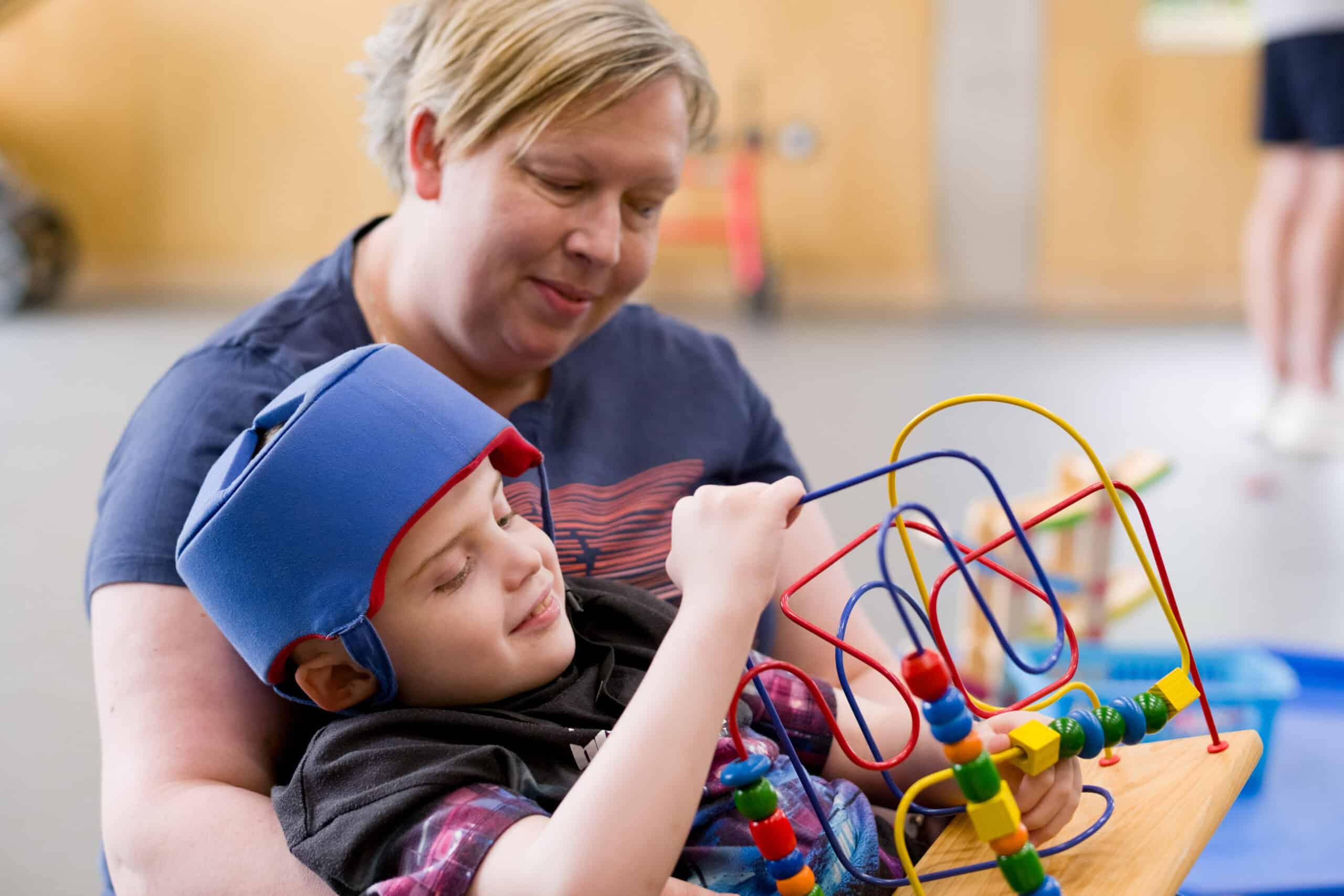
Now, let’s start by breaking down what CHARGE syndrome means. Understanding the condition is an important step towards understanding the child.
What is CHARGE syndrome?
CHARGE syndrome is a rare genetic condition that can affect multiple parts of the body. When it was first recognised CHARGE was an acronym with each letter representing a characteristic of the syndrome. We now know that there is a wider range of physical and sensory characteristics.
The most common features involve the ears, eyes, heart, nasal passages, genitals, and growth. However, it’s important to note that not everyone with CHARGE syndrome will have all of these differences. The condition and its severity can vary from person to person.
Behind those clinical terms that come with the diagnosis is a child with a unique personality. Many of the young people we support at Sense could be better described by a different kind of acronym:
Creative
Humorous
Active
Regulative
Goal-directed
Explorative
CHARGE syndrome can be one of the most medically and developmentally complex conditions we know, but it’s also one of the most extraordinary.
In this blog, we’ll explore ways to communicate with children who have CHARGE syndrome. Here are some practical steps you can take to support that communication.
-

Recognise their individuality

Children and young people with CHARGE syndrome have complex multi-sensory impairments. This means they may have challenges not just with vision and hearing, but also with balance, touch, smell, temperature, pain, and pressure.
The needs of children with CHARGE syndrome may be complex, but so are their strengths, interests and abilities. Effective communication starts with understanding the whole child – what motivates them, what brings them joy, and how they engage with the world around them.
-
Adapt to their communication needs


CHARGE syndrome affects multiple senses, so communication needs to be flexible and individualised. We recommend using a total communication approach. This means drawing on every method available to help the child understand and express themselves. This might include:
- Gestures and facial expressions
- Simple signs or Makaton
- Picture symbols or PECS (Picture Exchange Communication System)
- Print or Braille
- Objects of reference
- Speech, where appropriate
Take the time to observe what works best for the child. Be patient, it may take them longer to process and respond, but that doesn’t mean they aren’t listening or understanding.
Want to get started with a personalised strategy? Read about our communication passport.
-
Consider their sensory environment

CHARGE syndrome often includes both vision and hearing differences, which can impact communication, exploration, and learning. To support communication, it’s essential to consider:
- What can they see?
- What can they hear?
- Is the lighting too harsh or too dim?
- Is the room noisy or quiet?
- How easy is it for them to move around?
Children with CHARGE syndrome are often very adaptive in how they use their senses. Support from professionals like specialist sensory impairment teachers can make a huge difference.
-
Support their unique learning style

Children and young people with CHARGE syndrome may learn in unique ways because of their sensory and communication differences. That doesn’t mean they aren’t capable – it means we need to be responsive. They can:
- Learn and retain information well
- Thrive with visual or tactile aids
- Engage with flexible, interest-led learning
It’s important to challenge, not limit, and always be open to changing your approach. Supporting a young person with CHARGE syndrome is a journey of learning – for you and for them.
-
Create safe, sensory-friendly environments


Children with CHARGE syndrome often need frequent sensory breaks to help them regulate and feel grounded. Building these into the day can help reduce fatigue, improve focus, and support communication. Some calming options include:
- Bean bag or soft floor cushions
- Weighted blankets or vests
- Quiet corners with books or tactile toys
- Swings or rocking chairs
- Familiar, favourite objects
Communicating with a child who has CHARGE syndrome isn’t always easy, but it’s always worth it. With the right understanding, environment, and tools, we can unlock a world of possibilities.
Want to find out how we can help your child?
At Sense, we support children and young people with CHARGE syndrome from birth to 25 years. Every child’s journey is different, and so is our support. We offer:
- Tailored 1:1 sessions at home to develop play and communication skills
- Information and advice to understand more about the diagnosis
- Support in settings like nurseries, schools, hospitals and colleges
- Advice and training for the professionals around your child
- Support at specialist CHARGE clinics
- Access to specialist early years groups
- Access to different family groups and events
- And sometimes just being someone to talk to
Visit our MSI service page to find out more.
If you need support or advice about a child with CHARGE syndrome, please contact us at [email protected].