
People with complex disabilities share experiences of employment and volunteering
We asked people with complex disabilities about their experiences with employment and volunteering, as part of our Potential and Possibility research.
A work or volunteering role can offer financial security and a chance to develop skills and achieve your potential.
Read on to find out what our participants had to say, or skip ahead to our recommendations.
“Had I not had my job, I would not have got through 2020, it was my lifeline even though I was at home for most of it. It kept me hanging on in there, I’ve nothing but the utmost respect for my employers and I love them dearly.”
Our research shows that a quarter (25%) of people with complex disabilities are currently in employment or volunteering. A further quarter (26%) don’t have a paid job or volunteering role but would like one. For these people, barriers to fulfilling work include stigma and lack of public awareness of disability.
However, it is also important to note that for lots of people with complex disabilities, employment and volunteering isn’t possible. Just under half of people in our research (49%) said that employment and volunteering isn’t an option for them. For many people, there are still steps they can take to help build skills and confidence so that they may be able to work or volunteer in the future.
Experiences of employment
Every disabled person has the right to reasonable adjustments in the workplace. That could include things like specialist equipment or flexible hours.
63% of our respondents who are currently employed said their employer has been willing to make the reasonable adjustments they need to do their role successfully. A similar percentage (62%) report that their colleagues have been accommodating of the reasonable adjustments they need.
“My team are amazing and supportive. Generally I am fine to work but when I have a flare-up the team are always there to help. Especially when I have ‘fibro fog’ and can’t get my words out and make no sense.”
These are positive stories, but there are still many people who don’t get the support they need at work. Just under half of people with complex disabilities told us that they have had to take a less fulfilling role than they would like because of their needs as a disabled person not being met.
A similar percentage (48%) said that they had taken a less challenging role than they are capable of because of their needs as a disabled person not being met.
“I’m self-employed, the only way I can work due to my disability, my employer was not sympathetic to me, ended up having to resign and that was the Local Authority.”
“I lost my job due to the fact I couldn’t climb the stairs any longer and employer would not install a stairlift even though I had been crawling up the stairs for two years! As soon as head office person saw me I was out!”
Barriers to employment
Many people with complex disabilities told us that they face barriers in finding a job including a lack of flexibility from employers, as well as a lack of understanding from the general public about what is possible if they are given the right support.
“If an employer were willing to allow me to work as and when I am able, and base my success in the role on productivity, rather than number of hours dedicated to the task, I would be able to work.”
A number of respondents highlighted the need for specialist support, including in job centres.
“I feel [job centre staff] need so much more training in helping people like me who are deafblind and made to feel like we’re faking it because we don’t want to work. That isn’t the case for me, I’d love to [work] but trying to find something suitable for me is hard.”
Volunteering
“I like my volunteering jobs as they give me experience in the sector that I would like to work in. The place I volunteer [is] understanding of my needs. I feel just as valued as my other volunteers.”
Taking part in volunteering can be a key step in disabled people’s journey to employment, or offer an alternative way to develop skills when a full time job isn’t possible. 13% of people with complex disabilities told us that they’re currently in a volunteering role.
Respondents who are currently volunteering shared a mixture of experiences, including those who hadn’t felt supported in volunteering roles, and others who felt that it was a route into paid work for them.
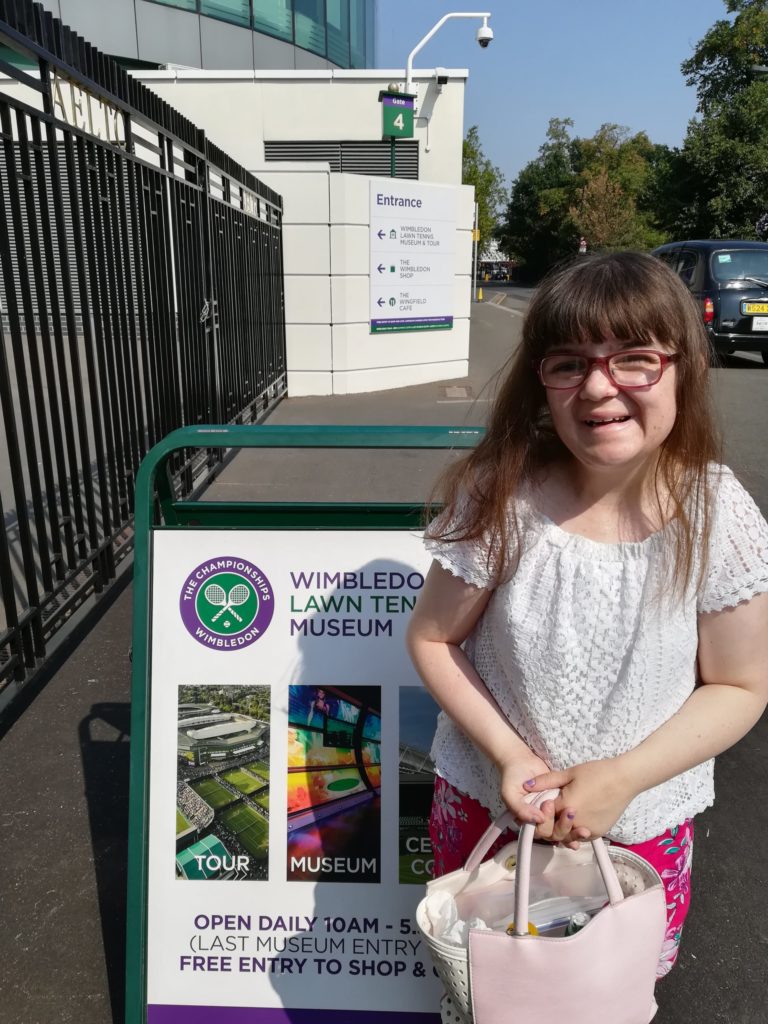
Sian’s story
“I would love to Sian hold down a job, but I know how difficult that is now. There are people out there with degrees who struggle to find a job.
“We know that we will not be around forever, and it is important that she spends time with people her own age. All we want is for her to have the options needed to progress in the world.
“It’s a difficult world to progress in for everyone and for people with disabilities, there are a lot more barriers.”
Read more from Sian’s mum, Teresa, on how Sian hopes to find a job.
Our recommendations
The ambitions of people with complex disabilities should not be limited by their needs not being met. Employers must see the potential that disabled people can bring to their organisation, as well as put in place the support they need to succeed.
We want to see:
- Disability awareness training in workplaces, especially for people involved in recruitment.
- Better support from job centres for job seekers with complex disabilities including availability of specialist advisors and accessible technology.
- More volunteering opportunities for people with complex disabilities to develop skills.
About this research
These research findings come from Sense’s Potential and Possibility research project involving 1,585 people with complex disabilities. Through this research, we want policy makers to see the potential and possibility in the lives of people with complex disabilities, and to do what they can to change things for the better.
For more information about the research, please contact [email protected]